Indoor Air Quality Standards in Hong Kong
TL;DR:Professional guide on iaq testing standards in Hong Kong.
Living and working in a densely populated metropolis like Hong Kong means that we spend the vast majority of our time indoors. Whether you are in a high-rise office building in Central or a residential apartment in Kwun Tong, the quality of the air you breathe has a direct impact on your health, productivity, and overall well-being. This is why understanding and adhering to proper IAQ testing Hong Kong standards is absolutely essential for property owners, facility managers, and residents alike. Poor indoor air quality can lead to a range of health issues, from minor irritations like headaches and fatigue to severe respiratory conditions. In this comprehensive guide, we will explore the Hong Kong IAQ objectives, key testing parameters, TVOC standards, and the compliance requirements you need to know to ensure a safe and healthy indoor environment.
Understanding the Hong Kong IAQ Standard
The Environmental Protection Department (EPD) of the Hong Kong government has established a comprehensive Indoor Air Quality Certification Scheme for Offices and Public Places. This voluntary scheme aims to recognize good indoor air quality management practices and provide clear guidelines on what constitutes acceptable air quality. The Hong Kong IAQ standard is divided into two main levels: the "Excellent Class" and the "Good Class." The Excellent Class represents the highest standard of indoor air quality that a high-class and comfortable building should achieve, while the Good Class represents the minimum standard that provides protection to the public, including the young and the elderly.
To achieve certification, premises must undergo rigorous testing by accredited professionals to ensure that various air pollutants remain within the specified limits. While the scheme is primarily targeted at offices and public spaces, the guidelines serve as an excellent benchmark for residential properties as well. Maintaining these standards often requires a combination of proper ventilation, regular maintenance of HVAC systems, and professional services such as formaldehyde removal Hong Kong to eliminate harmful chemical emissions from furniture and building materials.
Key IAQ Testing Parameters
A comprehensive IAQ assessment involves measuring a variety of physical, chemical, and biological parameters. According to the EPD guidelines, there are 12 key parameters that must be evaluated during an IAQ audit. These include:
- Carbon Dioxide (CO2): An indicator of ventilation adequacy. High levels can cause drowsiness and reduce cognitive function.
- Carbon Monoxide (CO): A toxic gas produced by incomplete combustion, often originating from outdoor traffic or indoor cooking facilities.
- Respirable Suspended Particulates (PM10) and Fine Suspended Particulates (PM2.5): Tiny particles that can penetrate deep into the lungs, causing respiratory and cardiovascular issues.
- Nitrogen Dioxide (NO2) and Ozone (O3): Irritant gases that can exacerbate asthma and other lung conditions.
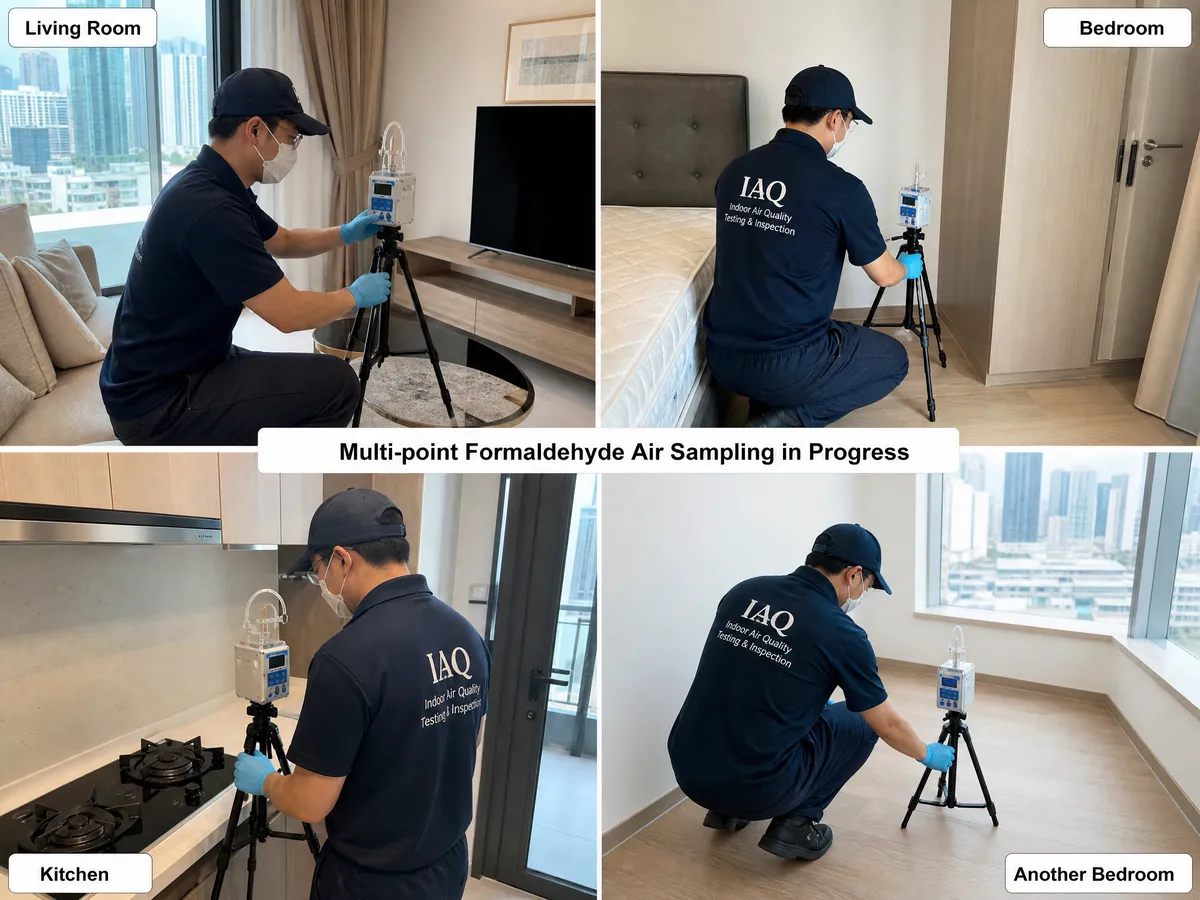
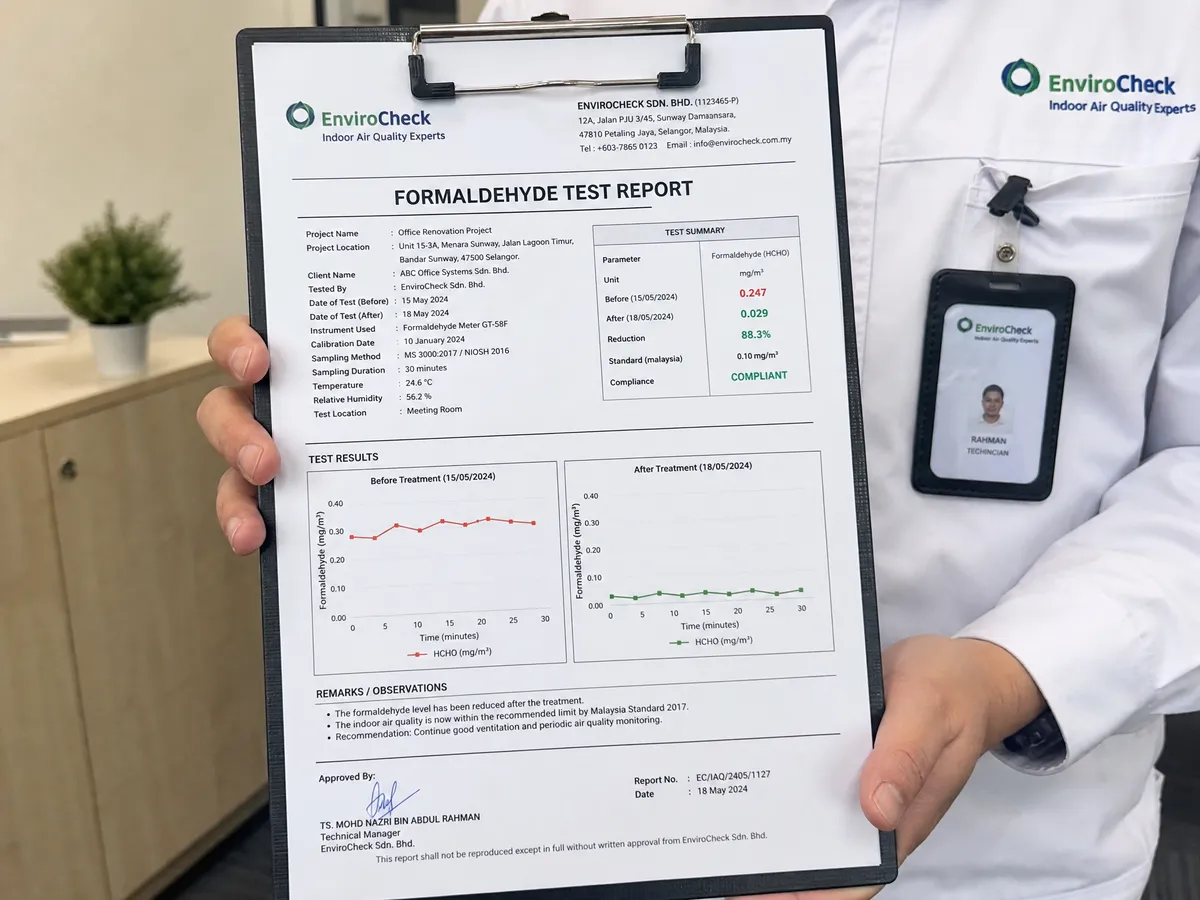
- Formaldehyde (HCHO): A common volatile organic compound found in pressed-wood products, glues, and paints. If you suspect high levels in your newly renovated home or office, it is crucial to arrange for professional formaldehyde testing Hong Kong.
- Total Volatile Organic Compounds (TVOC): A wide range of organic chemicals emitted as gases from certain solids or liquids.
- Radon: A naturally occurring radioactive gas that can accumulate in enclosed spaces and is a known carcinogen.
- Airborne Bacteria: High bacterial counts can indicate poor hygiene, water leaks, or inadequate maintenance of air conditioning systems. In such cases, a professional disinfection service Hong Kong may be necessary to sanitize the environment.
Below is a summary table of some critical parameters and their respective objectives under the certification scheme:
| Parameter | Excellent Class Objective | Good Class Objective |
|---|---|---|
| Carbon Dioxide (CO2) | < 800 ppm | < 1,000 ppm |
| Respirable Suspended Particulates (PM10) | < 20 µg/m³ | < 100 µg/m³ |
| Formaldehyde (HCHO) | < 30 µg/m³ | < 100 µg/m³ |
| Total Volatile Organic Compounds (TVOC) | < 200 µg/m³ | < 600 µg/m³ |
TVOC Testing Hong Kong: Why It Matters
Volatile Organic Compounds (VOCs) are a large group of carbon-based chemicals that easily evaporate at room temperature. They are emitted by a wide array of products commonly found in homes and offices, including paints, varnishes, cleaning supplies, building materials, and office equipment like copiers and printers. Because there are thousands of different VOCs, it is often more practical to measure the Total Volatile Organic Compounds (TVOC) as a general indicator of indoor chemical pollution.
TVOC testing Hong Kong is a critical component of any IAQ assessment. Under the Hong Kong IAQ Certification Scheme, the Good Class objective for TVOC is set at 600 micrograms per cubic meter (µg/m³), while the Excellent Class objective is a much stricter 200 µg/m³. Prolonged exposure to elevated TVOC levels can cause "Sick Building Syndrome," characterized by symptoms such as eye, nose, and throat irritation, headaches, loss of coordination, and nausea. Long-term exposure to certain VOCs can even cause damage to the liver, kidneys, and central nervous system.
To mitigate TVOC levels, it is important to ensure adequate ventilation, choose low-VOC products whenever possible, and engage professional services to treat and remove these compounds from the indoor environment. For businesses, maintaining low TVOC levels is not just about health; it is also about productivity and liability, making commercial pest control Hong Kong and environmental management services a vital investment.
Compliance Requirements and Best Practices
While the IAQ Certification Scheme is currently voluntary for many private buildings, there is a growing expectation among tenants, employees, and the general public for healthy indoor environments. Furthermore, certain government buildings and public facilities are mandated to achieve and maintain these standards. To comply with the Hong Kong IAQ objectives, building owners and facility managers should implement a proactive IAQ management plan.
This plan should include regular HVAC system maintenance, routine cleaning, and periodic IAQ audits conducted by competent examiners. It is also essential to address any sources of pollution promptly. For instance, if a pest infestation is detected, it can lead to the accumulation of allergens and pathogens in the air. Engaging a reliable pest control Hong Kong provider is crucial to eliminate the source of contamination without introducing harmful chemical residues into the air.
For more detailed information on environmental hygiene and pest management guidelines, you can refer to the Food and Environmental Hygiene Department (FEHD), which provides valuable resources on maintaining a safe and sanitary environment.
How Dr. Pest Control Workshop Can Help
Founded in 2006, Dr. Pest Control Workshop (手作治蟲坊) has been a trusted partner for both residential and commercial clients in Hong Kong. Located at 30 Shing Yip Street, Kwun Tong, we offer a comprehensive suite of services designed to protect your health and improve your indoor environment. Beyond our core pest management solutions, we specialize in advanced environmental treatments that directly contribute to better indoor air quality.
Whether you need targeted formaldehyde removal after a renovation, comprehensive TVOC testing, or a full-scale disinfection treatment to eliminate airborne pathogens, our team of experienced professionals is equipped with the latest technology to deliver effective results. We understand that every property is unique, which is why we tailor our solutions to meet your specific needs and ensure compliance with the highest safety standards.
If you are experiencing issues with indoor air quality or need immediate assistance with pest management, do not hesitate to reach out to us. We offer 24 hour pest control Hong Kong services to address your concerns promptly and efficiently. Contact us today via WhatsApp at 60183531 or email us at info@drpesthk.com to schedule a consultation.
Frequently Asked Questions (FAQ)
1. How often should IAQ testing be conducted in Hong Kong?
For commercial buildings participating in the EPD's IAQ Certification Scheme, a full certificate renewal is required every five years, with annual re-certifications for specific parameters. However, for general health and safety, it is recommended to conduct basic IAQ testing annually, or immediately following any major renovations, water damage, or changes in building occupancy.
2. What is the difference between the Excellent and Good Class IAQ objectives?
The Excellent Class represents the highest level of indoor air quality, suitable for high-end buildings where maximum comfort and health protection are desired. The Good Class represents the minimum acceptable standard that protects the general public from adverse health effects. The specific concentration limits for pollutants like TVOC, CO2, and PM10 are much stricter for the Excellent Class.
3. Can poor indoor air quality cause pest problems?
While poor IAQ does not directly attract pests, the conditions that lead to poor air quality—such as high humidity, poor ventilation, and water leaks—are highly conducive to pest infestations. For example, damp environments can attract termites, cockroaches, and mold mites. Addressing these underlying issues is a key component of effective pest management.
4. How long does a professional TVOC testing process take?
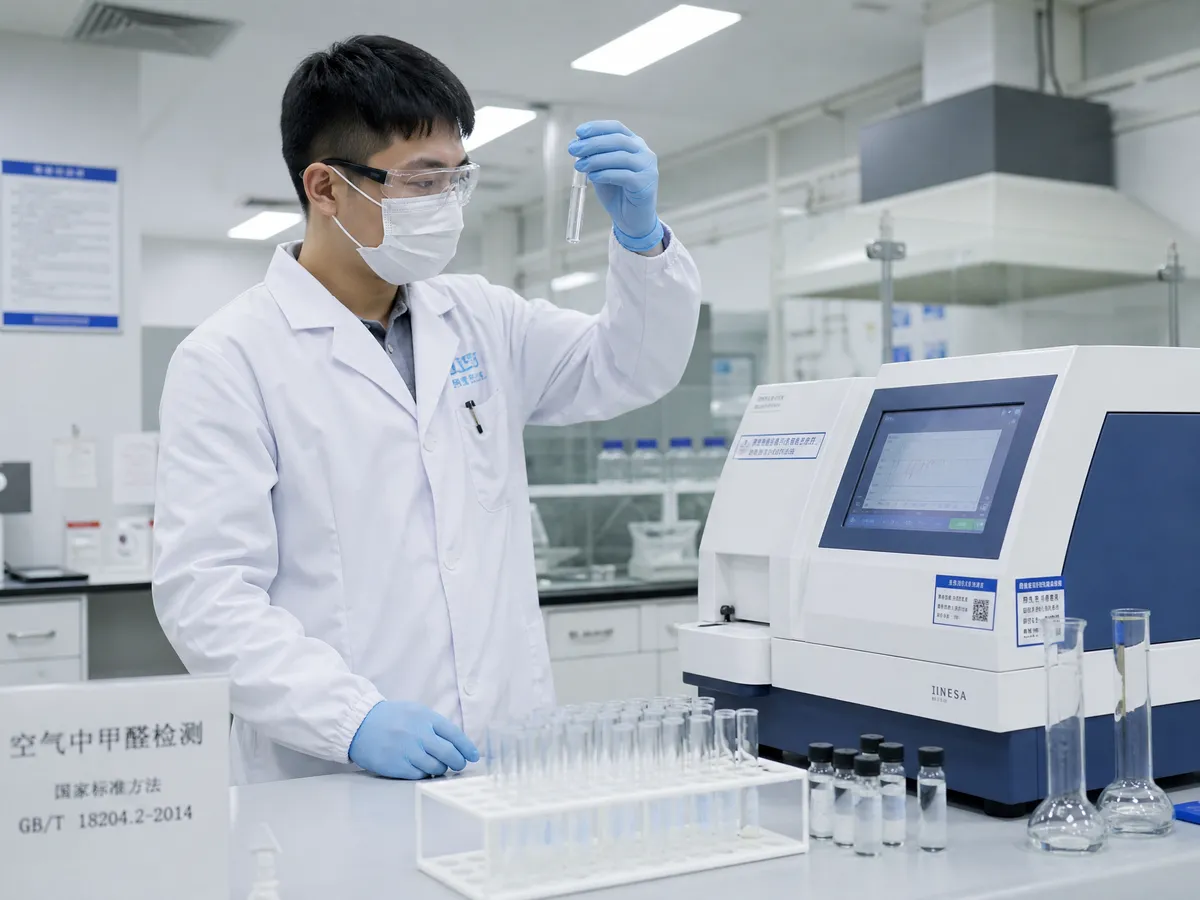
The duration of TVOC testing depends on the size of the premises and the specific testing methods used. Generally, an on-site assessment can take anywhere from a few hours to a full day. The collected air samples are then analyzed using advanced equipment, and a detailed report is usually provided within a few business days.
5. Are the chemicals used in your treatments safe for indoor air quality?
Yes, at Dr. Pest Control Workshop, we prioritize the health and safety of our clients. We use eco-friendly, low-toxicity, and approved products that are highly effective against pests and pathogens but leave minimal chemical residue in the air. Our treatments are designed to improve your environment without compromising your indoor air quality.
Visual Guide
Frequently Asked Questions
How can I book this service?
Contact Dr. Pest via WhatsApp 60183531 or email info@drpesthk.com for a free inspection and quote. We provide 24-hour emergency response across all Hong Kong districts.
What warranty do you offer?
All our services come with extended warranty periods. During the warranty period, any recurrence is treated completely free of charge.
Are your treatments safe for children and pets?
Yes, we use only government-registered eco-friendly chemicals that are safe for families, children, and pets. Our technicians follow strict safety protocols.