Formaldehyde Health Risks: What You Need to Know
TL;DR:Professional guide on formaldehyde health risks in Hong Kong.
When moving into a newly renovated apartment or purchasing new furniture in Hong Kong, many residents overlook an invisible but significant threat to their indoor air quality: formaldehyde. As a colorless, strong-smelling gas commonly used in building materials, pressed-wood products, and household chemicals, formaldehyde can accumulate in enclosed spaces, particularly in Hong Kong's typically compact and well-sealed apartments. Understanding formaldehyde symptoms health risks is crucial for protecting your family's well-being and ensuring a safe living environment.
What is Formaldehyde and Where Does It Come From?
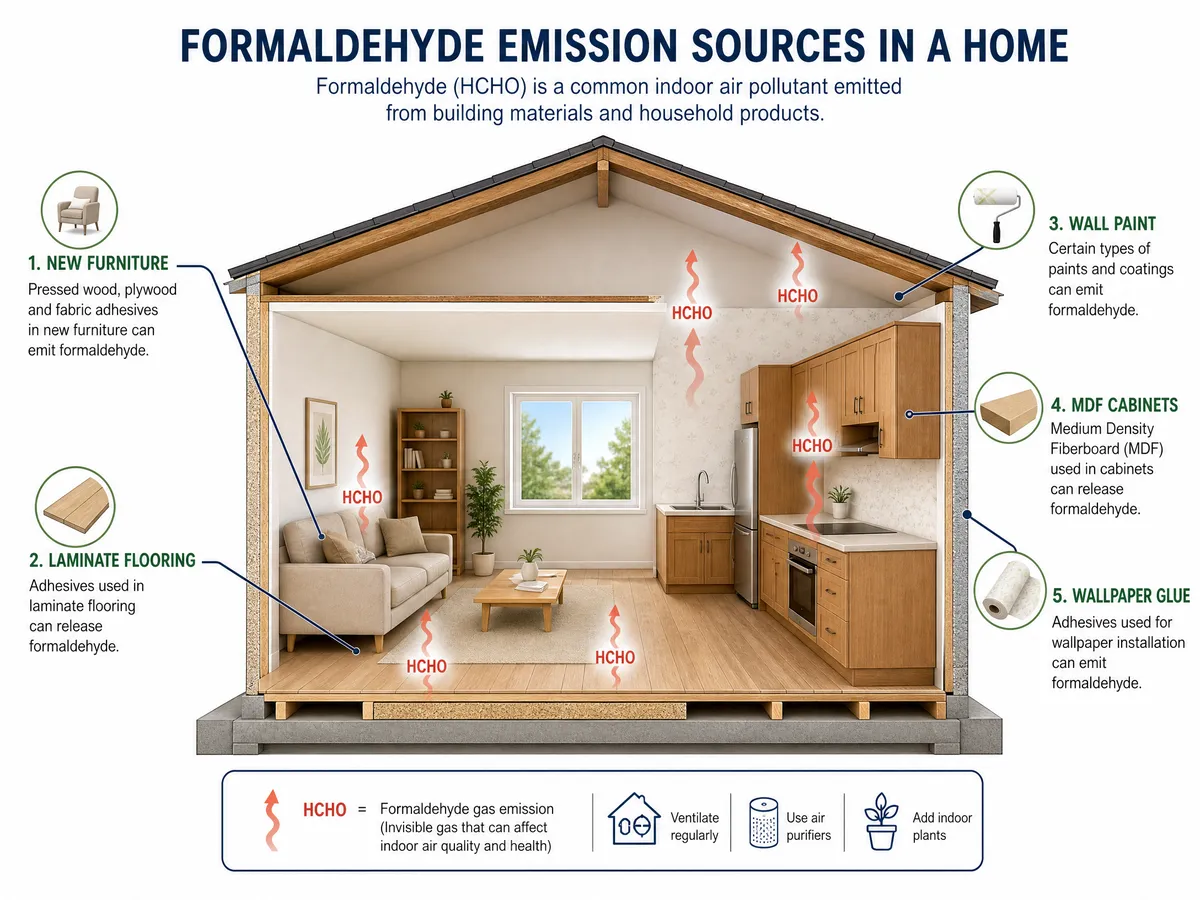
Formaldehyde (HCHO) is a volatile organic compound (VOC) that evaporates into the air at room temperature. In residential settings, the primary sources of formaldehyde emissions include particleboard, plywood, medium-density fiberboard (MDF), glues, adhesives, permanent-press fabrics, and certain insulation materials. The off-gassing process can last for months or even years, continuously releasing harmful particles into your home's atmosphere. If you have recently completed renovations, it is highly recommended to consider professional formaldehyde removal Hong Kong services to mitigate these emissions effectively.
Immediate and Long-Term Health Effects
Exposure to elevated levels of formaldehyde can trigger a range of adverse health effects, varying from mild discomfort to severe respiratory issues. The severity of the symptoms often depends on the concentration of the gas, the duration of exposure, and individual sensitivity.
Short-Term Symptoms
When formaldehyde levels in the air exceed 0.1 parts per million (ppm), some individuals may experience immediate, noticeable reactions. Common short-term health effects include:
- Watery, burning, or itchy eyes
- Irritation of the nose and throat
- Coughing and wheezing
- Skin rashes or allergic contact dermatitis
- Nausea and unexplained fatigue
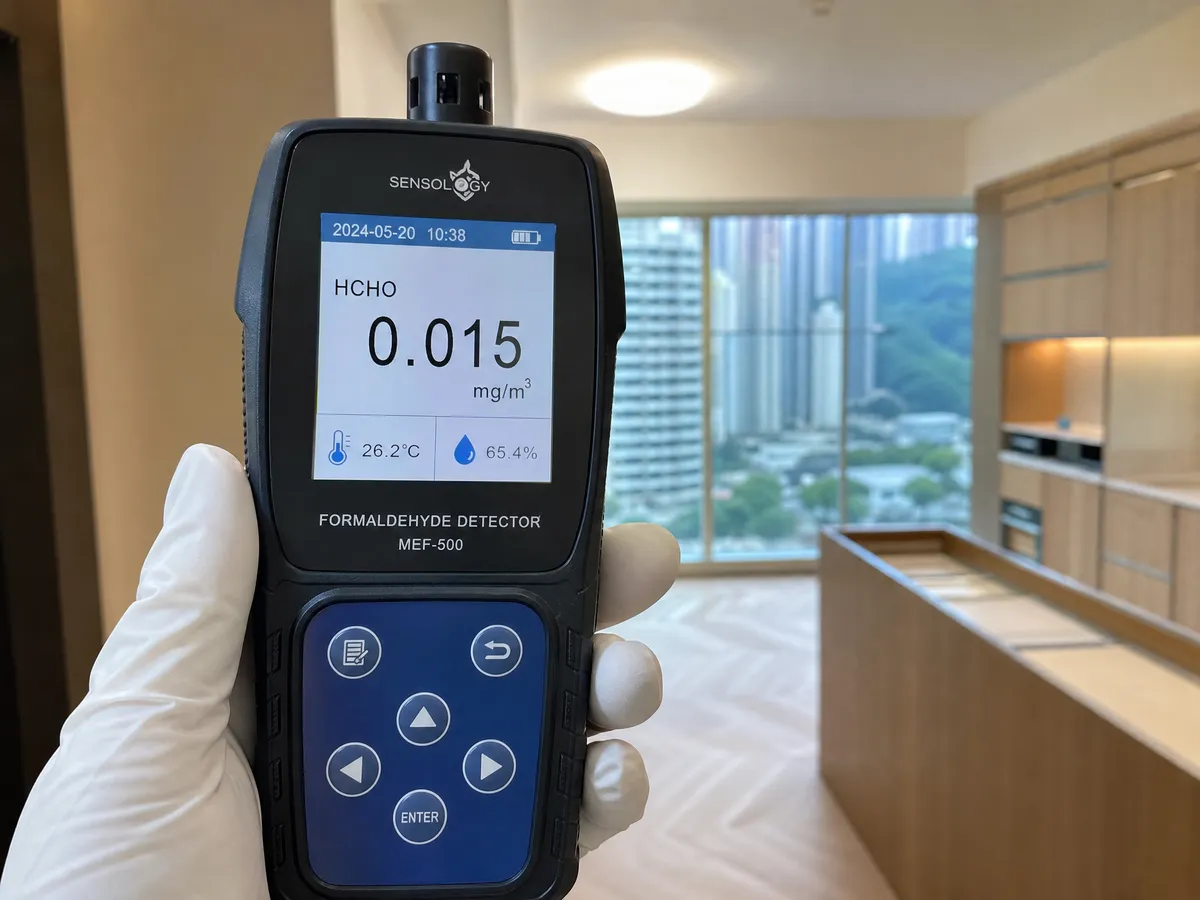
If you or your family members experience these symptoms shortly after moving into a new home or bringing in new furniture, it is essential to arrange for formaldehyde testing Hong Kong to accurately assess your indoor air quality.
Long-Term Health Risks
Prolonged exposure to formaldehyde poses more severe health threats. The World Health Organization (WHO) and the International Agency for Research on Cancer (IARC) have classified formaldehyde as a known human carcinogen. Long-term inhalation has been linked to an increased risk of certain types of cancer, particularly nasopharyngeal cancer and leukemia. Furthermore, chronic exposure can exacerbate existing respiratory conditions such as asthma, leading to more frequent and severe attacks.
Vulnerable Groups: Who is Most at Risk?
While formaldehyde exposure is harmful to everyone, certain demographics are particularly susceptible to its adverse effects. Understanding these vulnerabilities is vital for implementing appropriate protective measures.
Pregnant Women
A common and pressing question among expecting mothers is: is formaldehyde dangerous for pregnant women? The answer is a definitive yes. Exposure to high levels of formaldehyde during pregnancy can have detrimental effects on both the mother and the developing fetus. Studies suggest that prolonged exposure may increase the risk of spontaneous abortion, premature birth, and low birth weight. Additionally, the maternal immune system undergoes changes during pregnancy, potentially making expecting mothers more sensitive to environmental toxins. Ensuring a clean, VOC-free environment is paramount for a healthy pregnancy.
Infants and Young Children
Children are not just small adults; their bodies are still developing, and they breathe in more air per pound of body weight than adults do. This makes them exceptionally vulnerable to indoor air pollutants. Parents often wonder about the baby room formaldehyde safe level. According to the WHO guidelines, the safe limit for indoor formaldehyde concentration is 0.08 ppm (or 0.1 mg/m³) over a 30-minute period. However, for a baby's room, it is strongly advised to keep the levels as close to zero as possible. Infants exposed to formaldehyde are at a higher risk of developing childhood asthma, chronic bronchitis, and other respiratory illnesses. Utilizing advanced treatments like photocatalyst formaldehyde removal can help create a truly safe sanctuary for your little ones.
The Elderly and Individuals with Pre-existing Conditions
Older adults and individuals with pre-existing respiratory or cardiovascular conditions, such as chronic obstructive pulmonary disease (COPD) or asthma, are also at an elevated risk. Formaldehyde acts as a respiratory irritant, which can trigger severe asthma attacks and worsen chronic lung diseases, leading to increased medical interventions and a reduced quality of life.
WHO Guidelines and Safe Levels
To protect public health, various international and local organizations have established guidelines for acceptable indoor formaldehyde levels. The World Health Organization recommends a maximum indoor concentration of 0.1 mg/m³ (approximately 0.08 ppm) to prevent sensory irritation in the general population. In Hong Kong, the Environmental Protection Department (EPD) has set similar Indoor Air Quality (IAQ) objectives, categorizing "Excellent Class" at below 0.024 ppm and "Good Class" at below 0.081 ppm. For more comprehensive information on environmental health standards, you can refer to the Hong Kong Food and Environmental Hygiene Department.
Effective Strategies for Reducing Formaldehyde in Your Home
Protecting your family from formaldehyde requires a proactive approach, especially in a densely populated city like Hong Kong where natural ventilation can sometimes be limited.
1. Source Control
The most effective way to reduce indoor formaldehyde is to minimize its introduction into your home. When purchasing furniture or building materials, opt for products labeled as "low-VOC" or "formaldehyde-free." Look for certifications such as GREENGUARD or materials made from solid wood rather than pressed wood.
2. Improve Ventilation
Increasing the flow of fresh outdoor air into your home can significantly dilute indoor pollutant concentrations. Open windows and doors whenever the weather and outdoor air quality permit. Utilizing exhaust fans in kitchens and bathrooms also helps expel contaminated air.
3. Professional Remediation Services
If you suspect high levels of formaldehyde in your home, DIY methods may not be sufficient. Engaging a professional pest control Hong Kong and environmental services company is the most reliable solution. At Dr. Pest Control Workshop, we utilize state-of-the-art technology to detect and eliminate harmful VOCs. Our comprehensive treatments break down formaldehyde molecules at the source, ensuring long-lasting protection.
Why Choose Dr. Pest Control Workshop?
Founded in 2006, Dr. Pest Control Workshop has been a trusted partner for thousands of households and businesses in Hong Kong. Located at 30 Shing Yip Street, Kwun Tong, our team of certified professionals is dedicated to providing top-tier environmental hygiene solutions. Whether you need comprehensive VOC removal or reliable 24 hour pest control Hong Kong services, we are here to help. We understand the unique challenges of Hong Kong's living environments and tailor our services to meet your specific needs.
Don't let invisible threats compromise your family's health. If you are concerned about formaldehyde levels in your home, especially if you have pregnant women or young children, take action today. Contact Dr. Pest Control Workshop via WhatsApp at 60183531 or email us at info@drpesthk.com to schedule a consultation and breathe easier knowing your home is safe.
Visual Guide
Frequently Asked Questions
How can I book this service?
Contact Dr. Pest via WhatsApp 60183531 or email info@drpesthk.com for a free inspection and quote. We provide 24-hour emergency response across all Hong Kong districts.
What warranty do you offer?
All our services come with extended warranty periods. During the warranty period, any recurrence is treated completely free of charge.
Are your treatments safe for children and pets?
Yes, we use only government-registered eco-friendly chemicals that are safe for families, children, and pets. Our technicians follow strict safety protocols.